
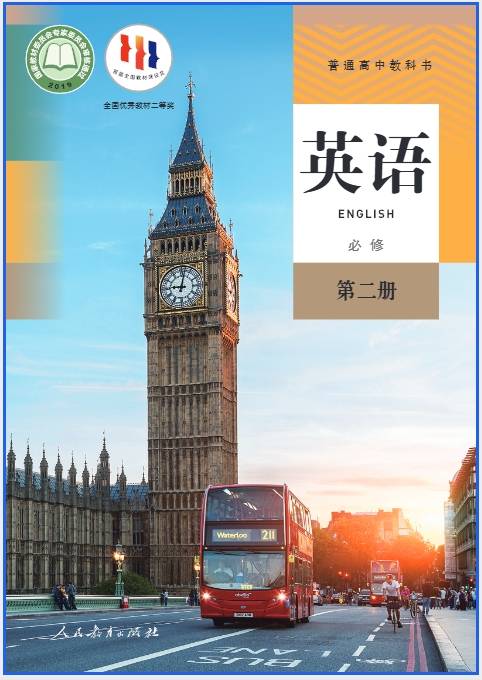
2025新教材人教版高中英语必修(第二册)电子课本(最新高清pdf版-可下载打印)
开心田螺
2025-04-24 14:44:00
0次
人教版高中英语必修(第二册)电子课本可以方便大家随时随地预习或复习课本知识,为此,我们找到了人教版高中英语必修(第二册)新教材电子书教材的全部内容,以高清图片的形式呈现给大家,希望能够提高大家的学习效率。
如需全套电子课本PDF版,请关注公众号“桃李百科”回复:“电子课本”
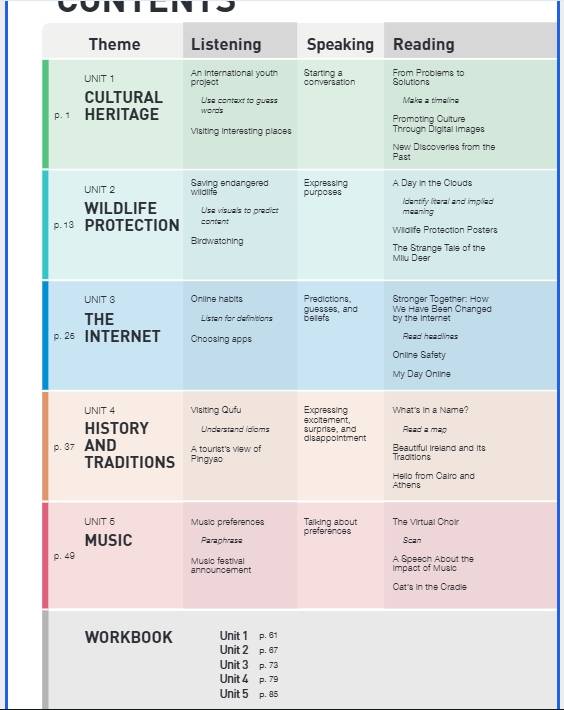
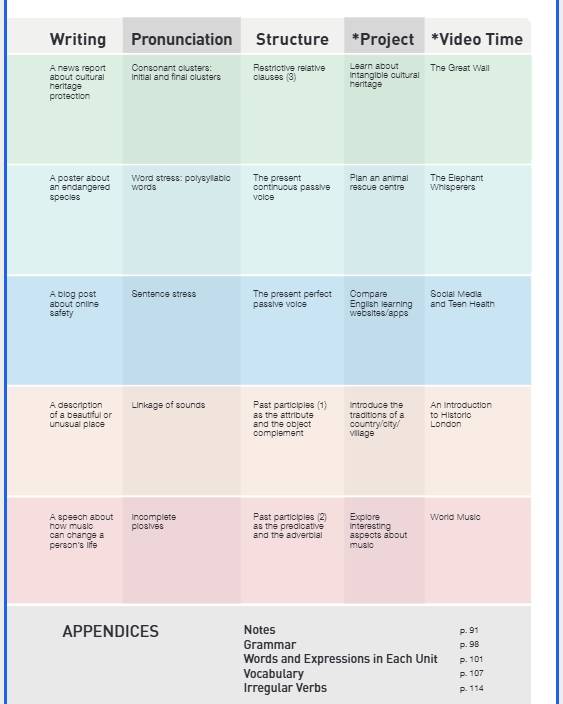
人教版高中英语必修(第二册)新教材电子课本在线阅读(此为截图版,获取是高清版)



2025 新教材人教版高中英语必修(第二册)Unit 1 知识点
一、重点词汇
- survive
- 含义:幸存,存活;比…… 活得长;艰难度过,幸存下来。
- 用法:
- 作不及物动词,如:Of the six people injured in the crash, only two survived.(在这次撞车事故受伤的六个人中,只有两人幸存。)
- 作及物动词,可表示 “幸免于;从…… 中挺过来”,例如:She survived the earthquake.(她在地震中幸免于难。)还可表示 “比…… 活得长”,如:She survived her husband by ten years.(她比她丈夫多活了十年。)
- amaze
- 含义:使大为惊奇,使惊愕。
- 用法:常用结构为 amaze sb.,表示 “使某人惊奇”。其形容词形式有 amazing(令人大为惊奇的,一般修饰物)和 amazed(感到惊奇的,一般修饰人)。如:The amazing news amazed us all.(这个惊人的消息使我们大家都很惊讶。)We were amazed at the result.(我们对这个结果感到惊讶。)
- select
- 含义:选择,挑选。
- 用法:select sth. /sb. 表示 “选择某物 / 某人”,强调在多个选项中进行精心挑选。例如:She selected a beautiful dress for the party.(她为派对挑选了一件漂亮的连衣裙。)其名词形式为 selection,表示 “选择;挑选;选集”,如:There is a wide selection of books in the library.(图书馆里有种类繁多的书籍可供选择。)
- design
- 含义:设计;构思;计划。
- 用法:
- 作动词,常用结构有 design sth.(设计某物),如:He designed a new building.(他设计了一座新大楼。)be designed for...(为…… 而设计),例如:These houses are specially designed for the old people.(这些房子是专门为老年人设计的。)be designed to do sth.(目的是做某事),The experiment is designed to test the new drug.(这个实验目的是测试新药。)
- 作名词,意为 “设计;设计方案;构思”,如:The design of the car is very modern.(这辆车的设计非常现代。)
- fancy
- 含义:
- adj. 精致的;绚丽的;昂贵的;奢华的;(of a person) having a liking or enthusiasm for sth(对……)喜爱的,心仪的。
- v. 想要;想做;爱慕 (异性);自负;想象;设想。
- 用法:
- 作形容词,如:These clothes are too fancy for me.(这些衣服对我来说太花哨了。)I have a fancy car.(我有一辆豪华轿车。)还可用于短语 take a fancy to sb. /sth.(喜欢上某人 / 某物),如:She took a fancy to the little dog at first sight.(她第一眼就喜欢上了这只小狗。)
- 作动词,如:Do you fancy a drink?(你想喝一杯吗?)I fancy myself as a writer.(我自认为是个作家。)
- style
- 含义:风格;样式;方式;作风。
- 用法:in... style /in the style of... 表示 “以…… 风格”,如:The building is in a modern style.(这座建筑是现代风格的。)These paintings are in the style of Picasso.(这些画是毕加索风格的。)
- remove
- 含义:移开;拿走;去掉;从…… 机构开除;脱去 (衣服等);摘下。
- 用法:remove sth. from...(从…… 移开 / 拿走某物),如:He removed the mud from his shoes.(他去掉鞋上的泥。)remove sb. from sth.(从…… 开除某人),例如:The student was removed from school for his bad behavior.(这个学生因行为恶劣被学校开除了。)
- doubt
- 含义:
- n. 怀疑;疑惑;不确定。
- v. 怀疑;不信;拿不准。
- 用法:
- 作名词,常用结构有 in doubt(怀疑;拿不定主意),no /without/beyond doubt(无疑地;必定),There is no doubt that...(毫无疑问……,that 引导同位语从句,说明 doubt 的内容),如:There is no doubt that Taiwan belongs to China.(毫无疑问,台湾属于中国。)
- 作动词,在否定句和疑问句中,后接 that 引导的从句;在肯定句中,后接 whether /if 引导的从句。如:I don't doubt that he will come.(我不怀疑他会来。)I doubt whether /if he will come on time.(我怀疑他是否会按时来。)
- reception
- 含义:接待;招待会;接待处;欢迎;反应。
- 用法:a warm reception(热烈的欢迎),如:The guests received a warm reception.(客人们受到了热烈的欢迎。)at the reception(在接待处),例如:You can leave your luggage at the reception.(你可以把行李放在接待处。)
- light
- 含义:
- n. 光;光线;光亮;发光体;电灯。
- v. 点燃;点火;照亮;使明亮。
- adj. 轻的;明亮的;浅色的。
- 用法:
- 作名词,如:The light in the room is too dim.(房间里的光线太暗了。)
- 作动词,light sth.(点燃某物),He lit a candle.(他点燃了一支蜡烛。)light up(照亮;点亮;(使) 变得喜悦),The city was lit up at night.(夜晚城市灯火通明。)Her face lit up when she saw her mother.(她看到妈妈时,脸上露出了喜色。)
- 作形容词,a light box(一个轻盒子),a light color(浅色)。
- wonder
- 含义:
- n. 惊奇;惊叹;奇迹;奇观。
- v. 想知道;琢磨;感到诧异;非常惊讶。
- 用法:
- 作名词,in wonder(惊讶地),如:She looked at the painting in wonder.(她惊讶地看着这幅画。)the wonders of the world(世界奇观),The Great Wall is one of the wonders of the world.(长城是世界奇观之一。)
- 作动词,wonder + 疑问词 + 从句,如:I wonder where he is.(我想知道他在哪里。)wonder at sth.(对某事感到惊讶),We all wonder at his success.(我们都对他的成功感到惊讶。)
- evidence
- 含义:证据;证明;迹象。
- 用法:常用短语有 give evidence(提供证据),There is evidence that...(有证据表明……),如:There is evidence that he was at the scene of the crime.(有证据表明他在犯罪现场。)
- trial
- 含义:审讯;审理;试验;试用。
- 用法:be on trial(在受审;在试验中),如:The man is on trial for theft.(这个人因盗窃正在受审。)The new product is on trial.(新产品正在试用中。)
- explode
- 含义:爆炸;爆破;爆裂;勃然 (大怒);大发 (雷霆)。
- 用法:The bomb exploded in the city center.(炸弹在市中心爆炸了。)He exploded with anger when he heard the news.(他听到这个消息时勃然大怒。)
- sink
- 含义:
- v. 下沉;沉没;使下沉;使沉没;倒下;坐下;降低;减少。
- n. 洗碗槽;水槽。
- 用法:
- 作动词,The ship sank to the bottom of the sea.(船沉入了海底。)sink into...(陷入……),He sank into deep thought.(他陷入了沉思。)
- 作名词,a kitchen sink(厨房水槽)。
- debate
- 含义:
- n. 辩论;争论。
- v. 辩论;争论;仔细考虑;思考。
- 用法:
- 作名词,have a debate about /on...(就…… 进行辩论),如:We had a debate about environmental protection.(我们就环境保护问题进行了一场辩论。)
- 作动词,debate sth.(讨论某事),They are debating the plan.(他们正在讨论这个计划。)debate with sb. about /on sth.(与某人就某事争论),I debated with him about the best way to solve the problem.(我和他就解决这个问题的最佳方法进行了争论。)
二、重点短语
- belong to
- 含义:属于;是…… 的成员。
- 用法:该短语无被动语态和进行时态。如:The book belongs to me.(这本书是我的。)China belongs to the third world.(中国属于第三世界。)
- in search of
- 含义:寻找;搜寻。
- 用法:表示搜寻某个特定的目标,相当于 in search for。如:The police are in search of the missing child.(警察正在寻找失踪的孩子。)也可用 search... for... 表示 “搜查…… 以寻找……”,The police searched the house for the stolen jewels.(警察搜查那栋房屋,寻找被偷的宝石。)
- in return
- 含义:作为回报;作为回应。
- 用法:单独使用,如:He helped me a lot, and I gave him some money in return.(他帮了我很多,作为回报我给了他一些钱。)还可接 for 表示 “作为对…… 的回报”,如:He gave her some flowers in return for her kindness.(他送她一些花以回报她的好意。)
- at war
- 含义:处于交战状态;交战。
- 用法:表示一种状态,如:This was a time when the two countries were at war.(这是两国交战的时期。)
- take apart
- 含义:拆卸;拆开。
- 用法:如:He took apart the old clock to see what was wrong with it.(他拆开旧钟,看看它出了什么毛病。)
- think highly of
- 含义:高度评价;看重。
- 用法:如:The teacher thinks highly of his students' work.(老师高度评价他学生的作业。)其被动形式为 be highly thought of,如:He is highly thought of in the company.(他在公司里很受器重。)
- be used to do
- 含义:被用来做……。
- 用法:如:Wood can be used to make furniture.(木材可以用来制作家具。)注意区分 be used to doing sth.(习惯于做某事)和 used to do sth.(过去常常做某事)。
- rather than
- 含义:而不是。
- 用法:连接两个并列成分,如:I will go to the park rather than stay at home.(我将去公园而不是待在家里。)连接并列主语时,谓语动词的形式与 rather than 前面的主语保持一致,如:Tom, rather than his friends, is going to the party.(是汤姆而不是他的朋友们要去参加派对。)
- more than
- 含义:
- 超过;多于(表示数量)。
- 不仅仅;不只是(相当于 not only)。
- 非常;十分(相当于 very)。
- 用法:
- 表示数量,如:There are more than 200 students in the hall.(大厅里有 200 多名学生。)
- 表示 “不仅仅”,如:She is more than a teacher; she is also a friend.(她不仅仅是一位老师,她还是一位朋友。)
- 表示 “非常”,如:I am more than happy to help you.(我非常乐意帮助你。)
- in turn
- 含义:依次地;轮流地;转而;反过来。
- 用法:如:The students answered the teacher's questions in turn.(学生们依次回答老师的问题。)He studies hard, and in turn, he gets good grades.(他努力学习,反过来,他取得了好成绩。)
- serve as
- 含义:作为;用作;充当;起…… 作用。
- 用法:The room can serve as a study.(这间房子可作书房用。)
- by the light of
- 含义:借助…… 的光。
- 用法:如:They read the book by the light of the candle.(他们借助蜡烛的光读书。)
- be designed for
- 含义:为…… 而设计。
- 用法:已在 “design” 词汇部分提及,如:This course is designed for beginners.(这门课程是为初学者设计的。)
- no doubt
- 含义:无疑地;很可能。
- 用法:一般用于句首或句中,如:No doubt he will come soon.(毫无疑问他很快就会来。)There is no doubt that he is right.(毫无疑问他是对的。)
- the entrance to
- 含义:…… 的入口。
- 用法:如:the entrance to the park(公园的入口),the entrance to the building(大楼的入口)。
三、重点句型
- There is no doubt that...
- 含义:毫无疑问……。
- 用法:that 引导同位语从句,说明 doubt 的内容。如:There is no doubt that she will keep her word.(毫无疑问她会遵守诺言。)
- It takes somebody some time to do something.
- 含义:做某事花某人多长时间。
- 用法:如:It took him two hours to finish his homework.(他花了两个小时完成作业。)
- This was a time when...
- 含义:这是一个…… 的时期。
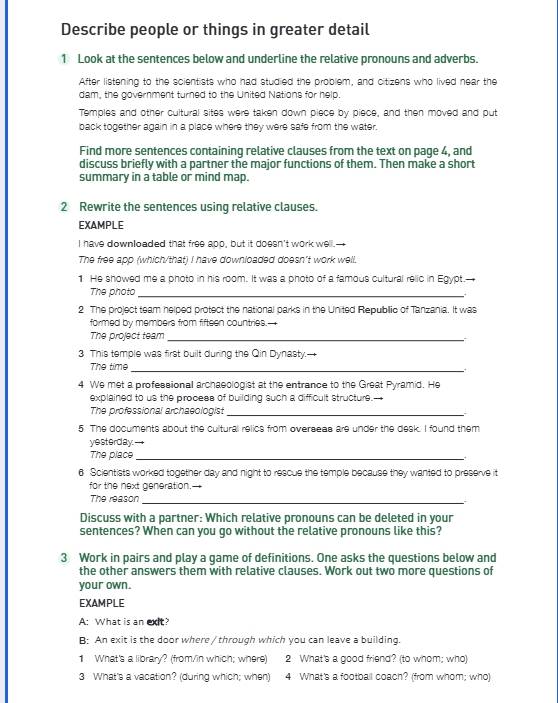
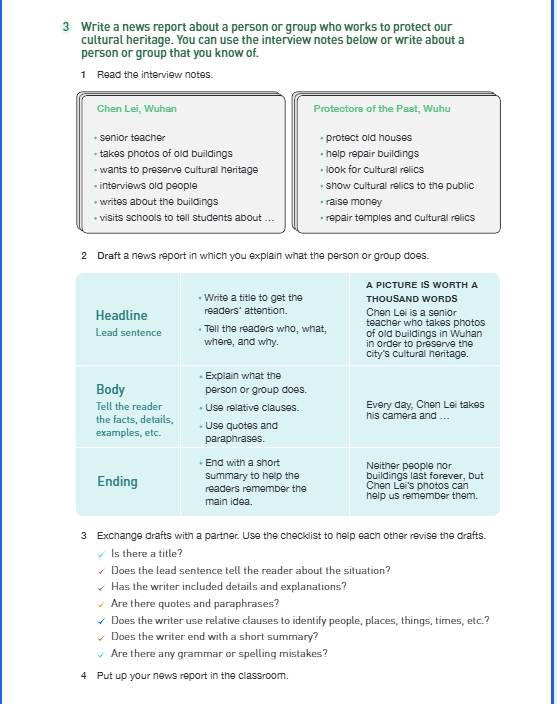
- 用法:when 引导定语从句,修饰先行词 time。如:This was a time when people lived a hard life.(这是一个人们生活艰难的时期。)
- It can be proved that...
- 含义:可以证明……。
- 用法:it 为形式主语,真正的主语是 that 引导的从句。如:It can be proved that he is innocent.(可以证明他是无辜的。)
- can't have done something
- 含义:不可能做过某事(对过去发生事情的否定推测)。
- 用法:如:He can't have gone to school because it's Sunday today.(他不可能去上学了,因为今天是星期天。)
下一篇:在中美之间二选一?韩国表态
相关内容
热门资讯
从保研到博士申请,一篇SCI如...
写在前面 很多同学把SCI论文当成「单次升学加分工具」:保研用来冲夏令营、申博用来过初审,用完即止。...
推动思政教育与职业规划教育融合...
□ 畅皓皓 缪航 职业教育是国民教育体系和人力资源开发的重要组成部分。《教育强国建设规划纲要(202...
幼儿园三年,比起学知识,先帮孩...
不少家长送孩子入园前,总纠结孩子能不能认识数字、背古诗,生怕起步落后于人。真正走进幼儿园才慢慢明白,...
2026年甘南州教育系统公费师...
2026年甘南州教育系统公费师范毕业生专项招聘公告 根据《事业单位人事管理条例》《甘肃省事业单位公开...
今年军校报考热度与生源质量均创...
7月30日下午,国防部举行例行记者会,国防部新闻发言人蒋斌大校答记者问。 记者:每年高考填报志愿,军...
徐闻县中小学生统一款式校服选购...
为深入贯彻《广东省教育厅关于进一步规范校服管理工作的通知》等文件精神,规范我县中小学校服管理,稳步推...
长春市成人高考备考如何挑选合规...
成人学历提升行业发展背景 随着国内就业市场竞争加剧,学历作为求职、晋升的核心敲门砖属性愈发凸显,越来...
倾心以待,以心迎新|计控学院2...
7月30日,计算机与控制工程学院2026级新生班级导师助理线上面试顺利举行。2026级新生辅导员彭升...
【作品展示】童声嘹亮 | AI...
少年与AI的 共创之道 开篇·主办方按 上一期,我们分享了作品《太姥爷的水壶》和《星辰与焰火》—...
知书达礼丨暑假到底该躺平还是超...
每到暑假,几乎所有家长都会陷入一场无解的内心拉扯,这也是当代家庭最真实的育儿困境。 一边看着疲惫一学...